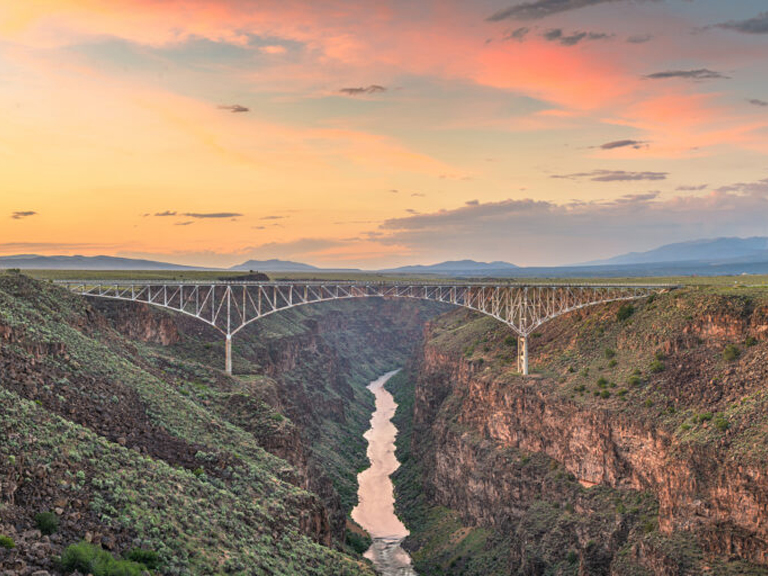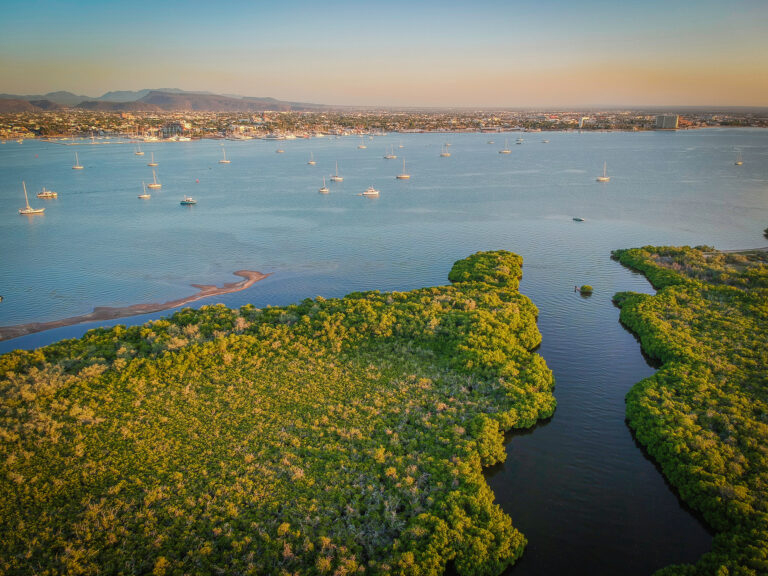
Our priority transboundary landscapes
Each year, the Accelerator focuses on one transboundary region or “nest” where ecological urgency meets opportunity for transformative impact.

We conduct extensive research to identify nests that offer significant opportunity to contribute to national and global targets for biodiversity and climate change, to advance community well-being, and to address environmental inequities and injustice. Peregrine Accelerator nests are chosen for multiple reasons. Nests are transboundary in geography and jurisdiction, with a strong track record of and/or ample opportunity to coordinate across borders, and they are well positioned to achieve impact as determined by conservation value, lack of attention, and need.
Ecologically, Peregrine Accelerator nests possess several characteristics.
- They contain a high and/or unique biodiversity of plants and wildlife that remains intact but is highly threatened; have a history of degradation with the potential to be restored; have potential for large landscape connectivity; and/or are essential for cultural subsistence, recreation, spiritual enrichment, and aesthetic pleasure.
- They are vulnerable to and have potential to mitigate climate change impacts.
- They have high potential to contribute to global biodiversity targets, such as the Kunming-Montreal Global Biodiversity Framework.